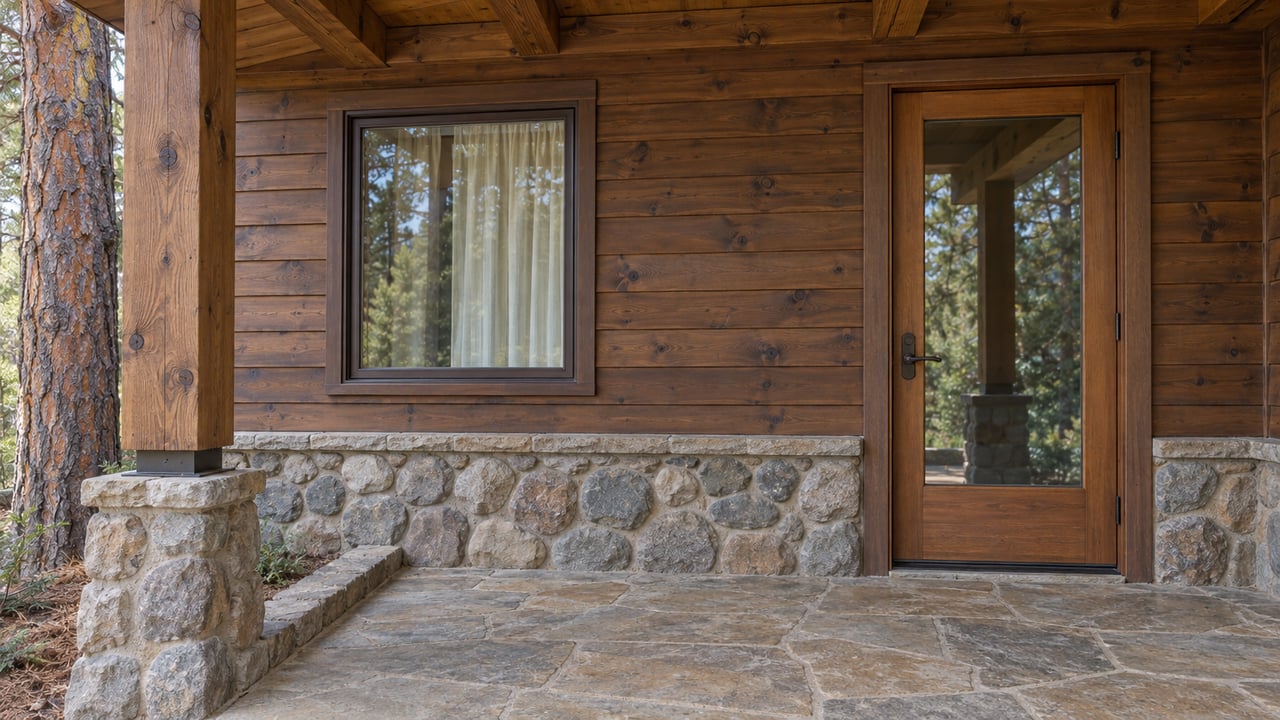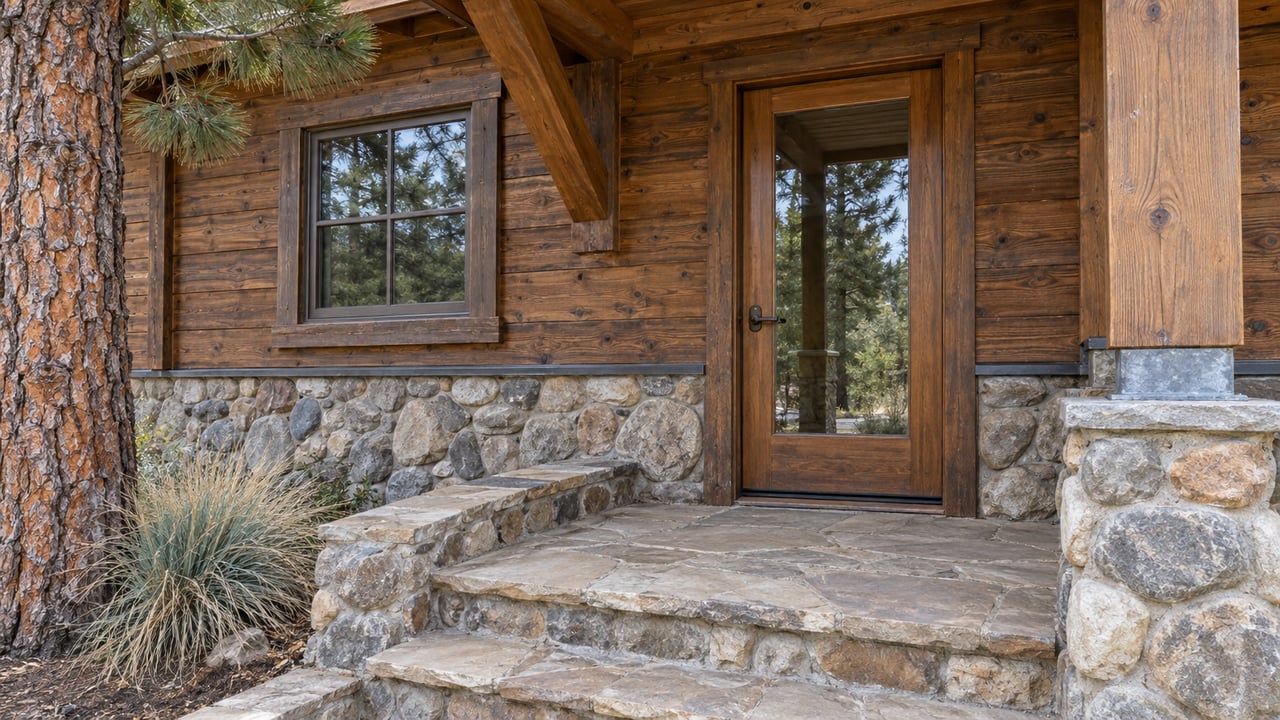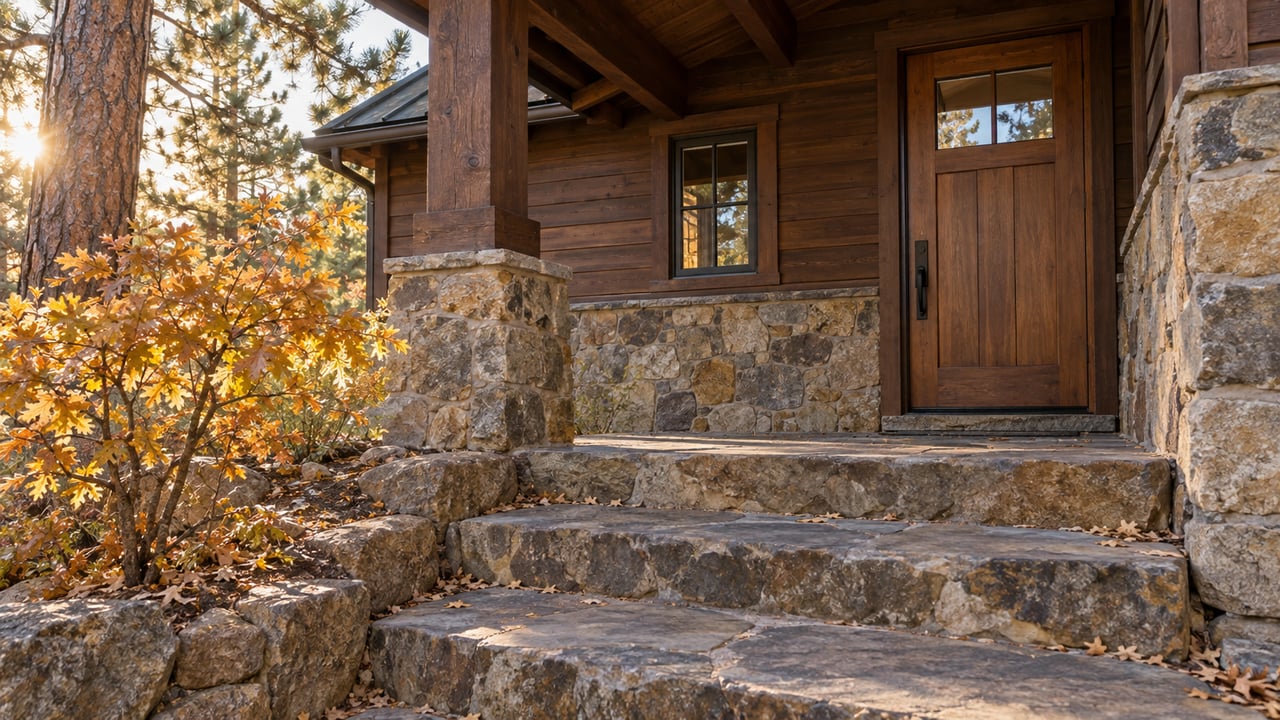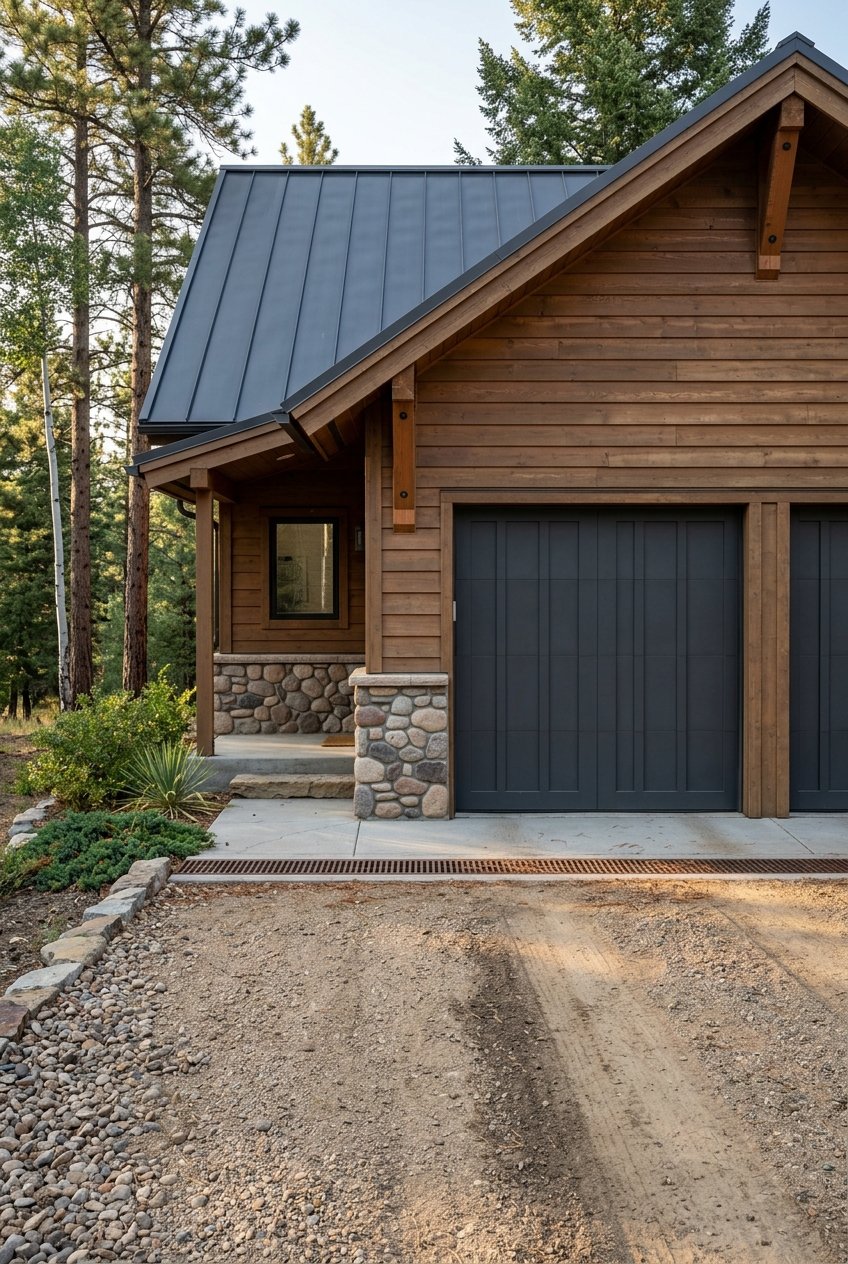
If you have been asking yourself whether now is the right time to sell your Lincoln County vacation home, you are not alone. Many second-home owners are weighing a mix of market conditions, carrying costs, rental income, and the reality of managing a mountain property from near or far. The good news is that you do not need to guess. With the right local data and a practical plan, you can make a confident decision about whether to sell now or hold a little longer. Let’s dive in.
What the Lincoln County market says now
Lincoln County looks more buyer-leaning than seller-friendly right now. Realtor.com reports a county median sale-to-list ratio of 87%, homes selling an average of 13.04% below asking in March 2026, a median of 130 days on market, and 980 homes for sale. Zillow points in the same general direction, with an average home value of $337,050 and homes going pending in about 102 days as of late February 2026.
The exact numbers vary by source, but the message is consistent. Buyers have more leverage, homes are taking longer to move, and pricing discipline matters. If you want to sell, you can still do it, but you need to go in with realistic expectations.
Why your micro-market matters
Not every part of Lincoln County behaves the same way. If your vacation home is in Ruidoso, Alto, or a smaller area like Lincoln or Hondo, your likely timeline and pricing strategy can look very different.
Ruidoso is active but slower
Ruidoso still sees movement, but not at a fast pace. Realtor.com shows 484 homes for sale, a median list price of $390,000, and 125 median days on market. Redfin reported a March 2026 median sale price of $395,000 and 161 days on market.
That gap between asking and actual pace suggests buyers are taking their time. It also points to room for negotiation, especially if a property feels overpriced or needs updates.
Alto is higher priced and slower
Alto is operating in a slower, higher-end environment. Realtor.com shows 337 homes for sale, a median listing price of $692,000, and 147 median days on market, with the area described as a buyer’s market. Year over year, the median sale price declined 10.71%.
If your home is in Alto, that does not mean you should rush to cut deeply. It does mean your pricing, condition, and presentation need to line up with current buyer expectations.
Smaller communities need careful pricing
In thinner submarkets like Lincoln, Hondo, or Corona, listing counts are small. That can mean fewer close comparable sales and a wider range in how buyers react to condition, setting, and lot appeal.
For sellers, this makes preparation even more important. Strong photos, clear documentation, and a price supported by available comps can make a meaningful difference when the market gives buyers more choices.
Sell now if the home is costing more than it gives back
For many vacation-home owners, the question is not just about home values. It is about whether the property still fits your life and your finances.
You may want to sell now if the home is lightly used, expensive to maintain, or producing only modest rental income after expenses. In a market where homes are already taking months to sell, waiting may not improve your position if the property is draining time, money, or attention.
This is especially true if you want to avoid another season of weather-related risk, maintenance coordination, or insurance questions. In mountain markets, those factors can carry real weight.
Hold if your net use and net income are strong
Keeping the home can still make sense in the right situation. If you use the property often, enjoy it regularly, and the income is strong after taxes, compliance, insurance, maintenance, and management, holding may be the better choice.
The key word is net. Gross rental income can look attractive on paper, but your decision should be based on what is left after real costs, not just peak-season hopes.
What rental income really looks like
If you are considering holding for rental income, local benchmarks can help. AirDNA estimates that Ruidoso has 1,562 short-term rental properties with annual revenue of $25.5K, 38% occupancy, and a $275.40 average daily rate.
Those numbers are useful, but they are not a promise for your home. Revenue depends on location, size, condition, seasonality, management, and how well the property stands out in a crowded field.
Long-term rental benchmarks may also be lower than expected. Realtor.com shows a median rent of $1,800 in Ruidoso with 9 rentals listed, while Alto had only 2 rentals listed. Limited supply does not automatically mean strong returns for every home.
Short-term rental rules add real work
If your vacation home is in Ruidoso and used as a short-term rental, the compliance side matters. The Village of Ruidoso requires a CRS business registration number, a short-term rental permit, annual inspections, compliance with village code, and an occupancy limit of 2 adults per sleeping unit.
The village also states that fire pits and outdoor burning are prohibited at short-term rentals, NOAA weather radios are required, and stays of 29 days or less must collect Lodger’s Tax and Gross Receipts Tax. New Mexico’s Taxation and Revenue Department also says anyone engaged in business in New Mexico must file and pay gross receipts tax.
That means the hold-versus-sell choice is not just about whether bookings come in. It is also about whether the property still performs well after you account for rules, taxes, upkeep, and the time needed to manage it properly.
Plan for a sale timeline measured in months
One of the biggest mistakes vacation-home sellers make is assuming the process will move quickly. In Lincoln County, the local market data points to a longer runway.
Countywide, median days on market are 130. Ruidoso sits around 125 days, and Alto around 147 days. Even after you accept an offer, you still need to get through inspections, title work, appraisal, escrow, and closing, which can add several more weeks or longer.
If you need a date-certain move or want proceeds available by a certain season, backward planning is essential. In this market, it is smart to think in months, not days.
Weather and fire conditions can affect your timing
In Lincoln County’s mountain setting, timing is not only about buyer demand. Seasonal conditions can also shape how easily your property shows and how buyers feel during the process.
The Village of Ruidoso had Level II fire restrictions in effect on April 6, 2026. Those restrictions prohibit campfires, charcoal grills, outdoor smoking, fireworks, and suspend fire pit permits. The village also notes that monsoon season runs from June through September, with flash flooding and road hazards common near canyons, arroyos, low-water crossings, and burn scars.
For sellers, these conditions can affect showings, inspections, access, and buyer confidence. If your home is in an area with terrain, drainage, or access concerns, timing and preparation matter even more.
Higher rates keep buyers selective
Mortgage costs are still high enough to shape behavior. Freddie Mac reported that the 30-year fixed mortgage rate averaged 6.30% on April 30, 2026.
In practical terms, that tends to make second-home buyers more price-sensitive. In a buyer-leaning market, higher borrowing costs often lead buyers to compare options carefully, negotiate harder, and expect the property condition to justify the price.
How to decide if now is your moment
If you are still on the fence, a simple framework can help. Ask yourself these questions:
- How often do you actually use the home?
- What is your true annual cost after maintenance, insurance, taxes, and upkeep?
- If rented, what is the net income after permits, taxes, management, and vacancies?
- Would freeing up your equity serve another goal better right now?
- Are you comfortable carrying the property through another fire season, monsoon season, and a slower market?
If the home no longer fits your lifestyle or financial goals, selling now may bring clarity and flexibility. If it still serves you well and performs strongly on a net basis, holding may be worth it.
Pricing and presentation matter more now
In this market, overpricing usually costs time. With Lincoln County homes selling at an 87% sale-to-list ratio on average, buyers are already signaling that they expect value and room to negotiate.
That is why local, comp-driven pricing matters so much. It is also why polished presentation can help your home compete, especially in Alto, Ruidoso, and other resort-oriented areas where buyers often shop remotely and compare many listings online before they ever schedule a showing.
Professional photography, clear property details, and a thoughtful launch can help you make a stronger first impression. If the home has been a short-term rental, having permit, registration, and tax information organized can also help buyers evaluate the property more confidently.
If you want a clear picture of what your vacation home could sell for in today’s market and what timeline to expect, the Hamilton Team can help you weigh your options with local insight, polished presentation, and practical guidance tailored to Lincoln County.
FAQs
Should you sell your Lincoln County vacation home in a buyer’s market?
- You may still want to sell in a buyer’s market if the home is lightly used, expensive to carry, or not producing strong net income. The key is pricing it realistically and planning for a longer timeline.
How long does it take to sell a vacation home in Lincoln County?
- Based on current local data, homes are often taking around 130 days on market countywide, with Ruidoso near 125 days and Alto near 147 days, plus additional time for inspections, title work, appraisal, and closing.
Is renting out your Ruidoso vacation home better than selling?
- It depends on your net results after occupancy, taxes, permits, inspections, insurance, maintenance, and management. Gross rental revenue alone does not tell the full story.
What are the short-term rental rules for a Ruidoso vacation home?
- The Village of Ruidoso requires a business registration number, a short-term rental permit, annual inspections, code compliance, occupancy limits, and tax collection for stays of 29 days or less.
Does weather affect selling a vacation home in Lincoln County?
- Yes. Fire restrictions, monsoon season, flash flooding, and access concerns can affect showings, inspections, and buyer confidence, especially in mountain and canyon-adjacent areas.